Welcome to DAS Academy

- Home
- Courses
Professional Development
Postgraduate Studies
Organisation Solutions

How Well Do You Understand Learning?
Students are told to study, but were they ever taught how? Test yourself to see if you understand effective learning strategies.
- Student
Onboarding
Student Information
Student Community
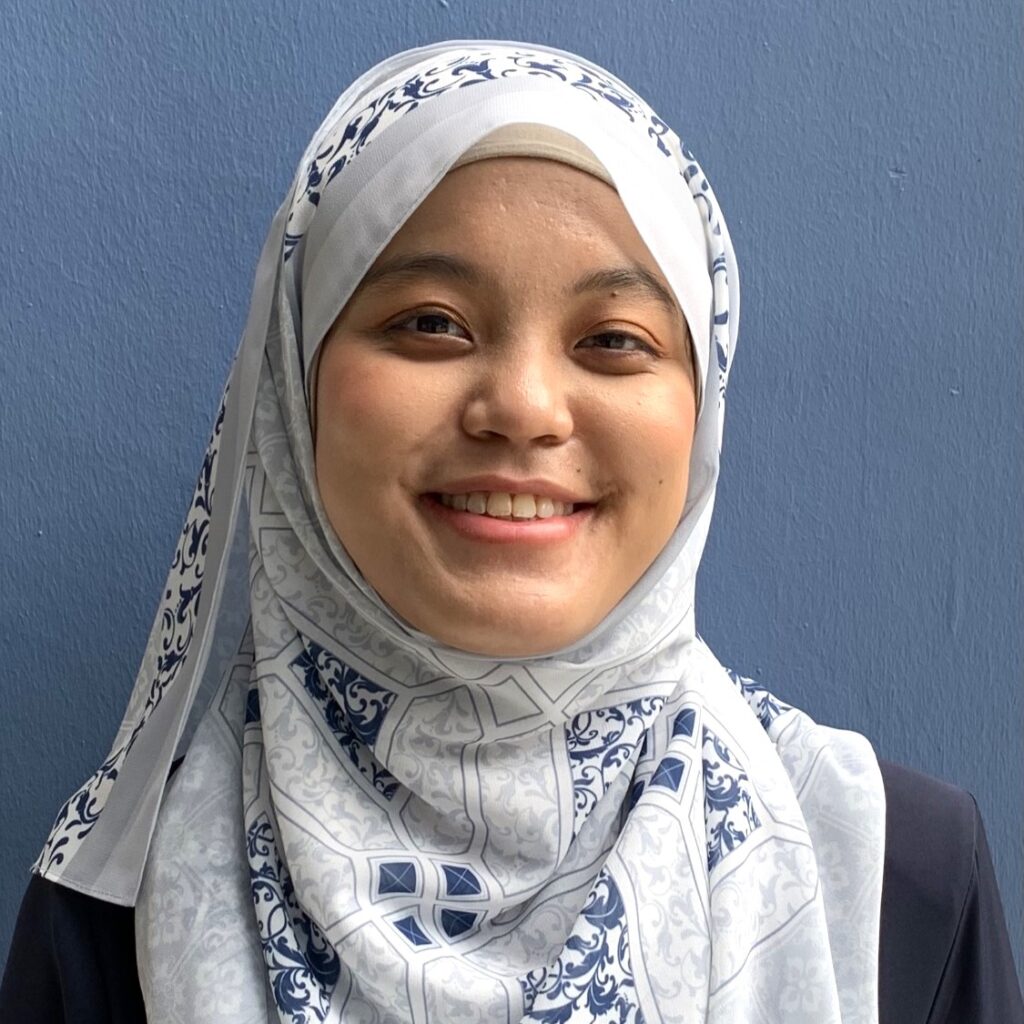
Our Students Share Their Journeys
Hear from graduates and participants about how DAS Academy has supported their growth as educators and professionals who make a difference for learners with diverse needs.
- Resources
Articles & Audio
- Blog
- Podcast
Events
- Webinars
- Graduation
- Past Events
- Gallery
Resources

Catch Our Webinars Here!
Explore our webinars that cover a range of topics from parenting tips to understanding learning differences.
- Funding

Caregivers Training Grant (CTG)
Subsidy support for eligible professional-development courses.

Training Fund for DAS Bursary Parents
Financial help for parents supported by DAS bursaries.

MA SEN Scholarship
Scholarships for the Master of Arts in Special Educational Needs.

Apply for the Master of Arts Scholarship
Applications for scholarships are now open for the Master of Arts in Special Educational Needs. Open to mid-career professionals and aspiring educators who are ready to make an impact.
- About Us
About DAS Academy
Leadership & Governance
More Information

Why Learn With DAS Academy?
Backed by the expertise of the Dyslexia Association of Singapore, our programmes are practitioner-led, evidence-informed…
- Shop
- Home
- Courses
Professional Development
Postgraduate Studies
Organisation Solutions
How Well Do You Understand Learning?
Students are told to study, but were they ever taught how? Test yourself to see if you understand effective learning strategies.
- Student
Onboarding
Student Information
Student Community
Our Students Share Their Journeys
Hear from graduates and participants about how DAS Academy has supported their growth as educators and professionals who make a difference for learners with diverse needs.
- Resources
Articles & Audio
- Blog
- Podcast
Events
- Webinars
- Graduation
- Past Events
- Gallery
Resources
Catch Our Webinars Here!
Explore our webinars that cover a range of topics from parenting tips to understanding learning differences.
- Funding
Caregivers Training Grant (CTG)
Subsidy support for eligible professional-development courses.
Training Fund for DAS Bursary Parents
Financial help for parents supported by DAS bursaries.
MA SEN Scholarship
Scholarships for the Master of Arts in Special Educational Needs.
Apply for the Master of Arts Scholarship
Applications for scholarships are now open for the Master of Arts in Special Educational Needs. Open to mid-career professionals and aspiring educators who are ready to make an impact.
- About Us
About DAS Academy
Leadership & Governance
More Information
Why Learn With DAS Academy?
Backed by the expertise of the Dyslexia Association of Singapore, our programmes are practitioner-led, evidence-informed…
- Shop